


This post treats the Daniel Kemble hip‑hop releases as a single continuum rather than isolated drops. These projects were not conceived as products competing for attention; they function as accumulations of habits, influences, moods, and constraints over time. Seen together, they show gradual consolidation rather than a linear ascent or reinvention.
What follows is not a track‑by‑track breakdown or a retrospective rewrite. It is a synthesis: why each album exists, the space it occupies, and what it deliberately avoids.
All of these works were composed between 2011–2025. Some material has been remixed, remastered, reprised, or re‑released across different projects. In several cases, artwork was revised or replaced to better reflect the music’s role within the catalogue.
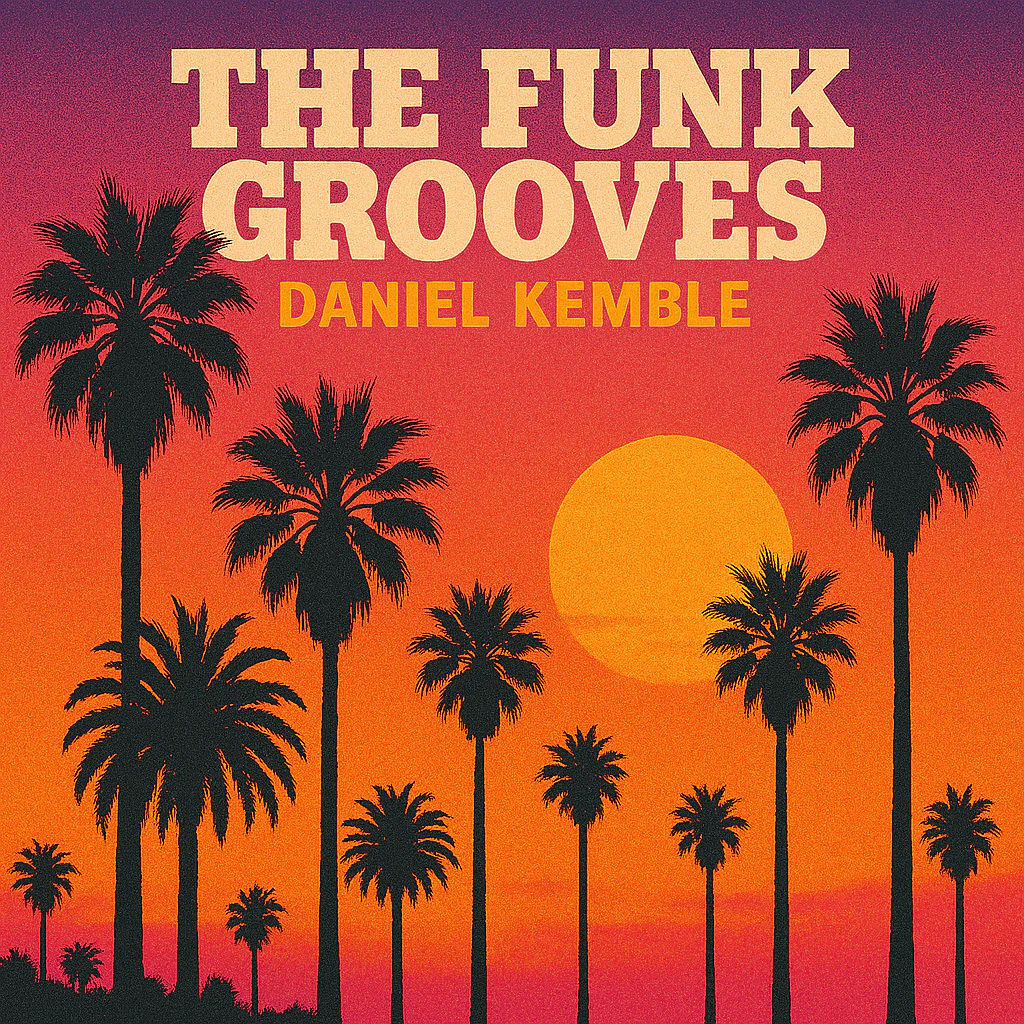
The Funk Grooves (2019)
This album sits closest to instinct and early workflow. It exists because making beats was the point, not because a statement needed articulation.
Funk‑driven hip‑hop, jazzy phrasing, and groove‑first writing define the sound. Cohesion is secondary to feel. Production is direct, prioritising movement over atmosphere.
Constraints were informal but present: repetition, swing, and momentum.
With distance, it functions as groundwork rather than a destination.
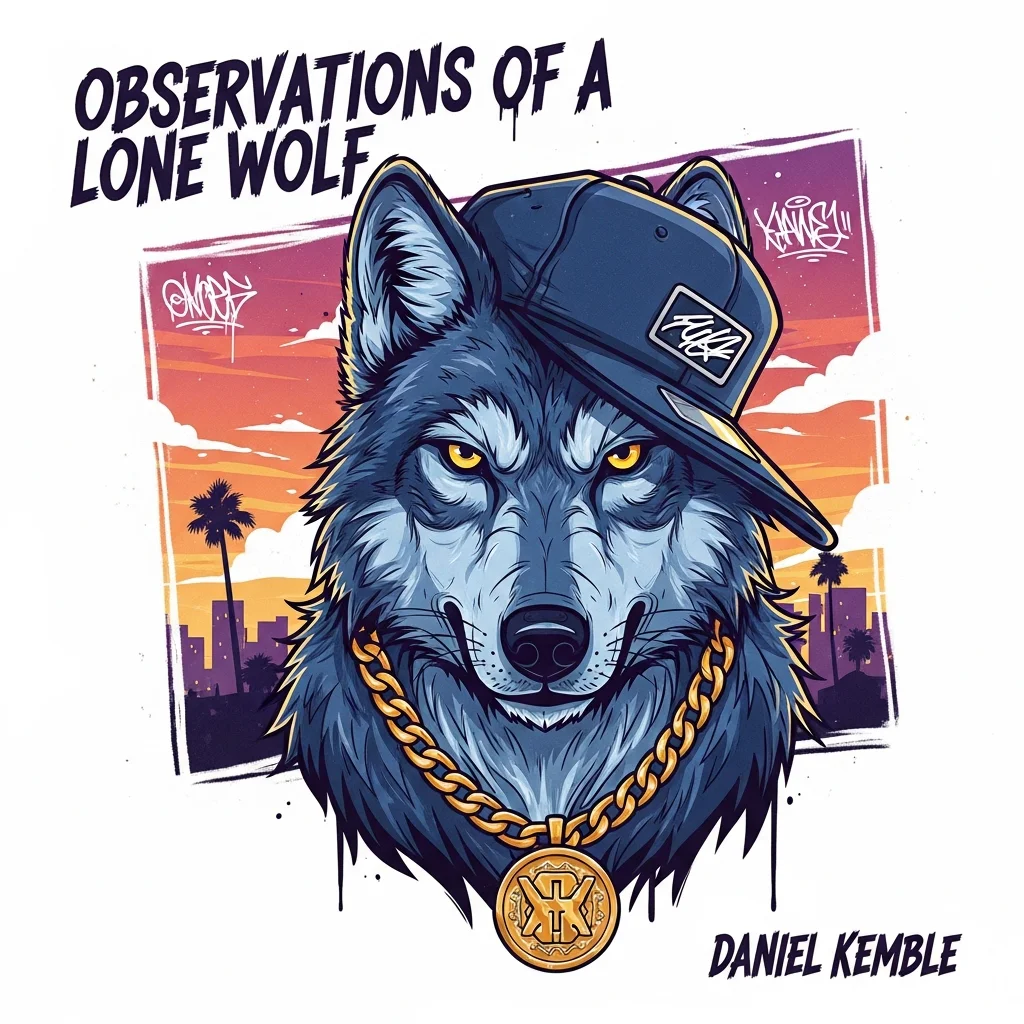
Observations of a Lone Wolf (2020)
This release marks a clear shift inward. It exists to slow momentum and sit with isolation rather than escape it.
The emotional register is reserved and observational. Beats are spaced and restrained, allowing atmosphere to dominate over propulsion.
Silence becomes a compositional tool.
It is not background music. Its value emerges over repeated listening rather than immediacy.
Listen to Observations of a Lone Wolf.
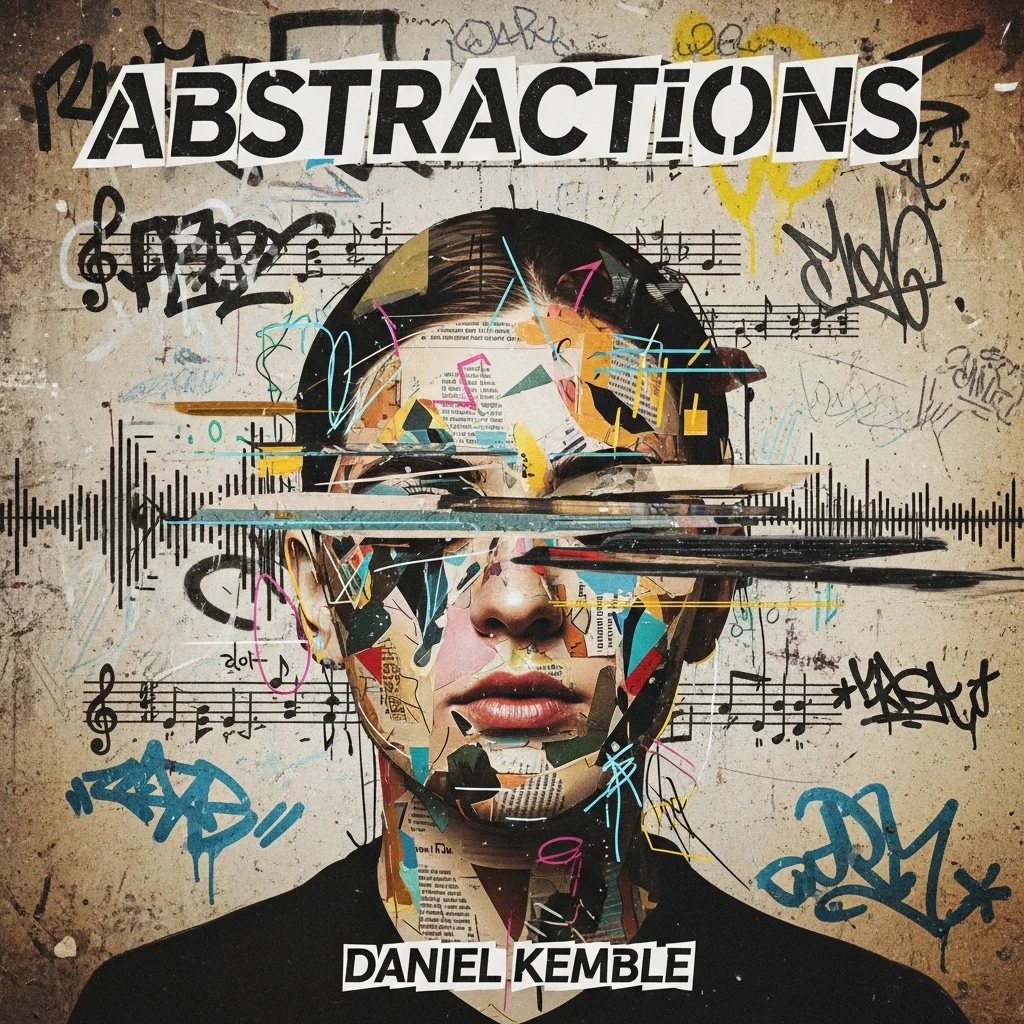
Abstractions (2021)
Abstractions exists to disrupt continuity. It rejects cohesion as a goal.
The sonic world is fragmented: experimental hip‑hop ideas appear, dissolve, and rarely resolve. Electronic elements surface without warning.
What shaped it most was process — working in short bursts and accepting incompletion as structure.
It is deliberately unresolved rather than unfinished.
The G‑Funk Tape (2021)
This short release functions as acknowledgement rather than reinvention. As a five‑track EP featuring artists, collaboration is treated as texture rather than spotlight.
The sound is warm and referential, grounded in classic West Coast and G‑funk frameworks. Familiar motifs are present, but controlled.
Constraints were conscious: stay within a lane, avoid excess polish, respect the source.
It functions as a study rather than a standalone statement.
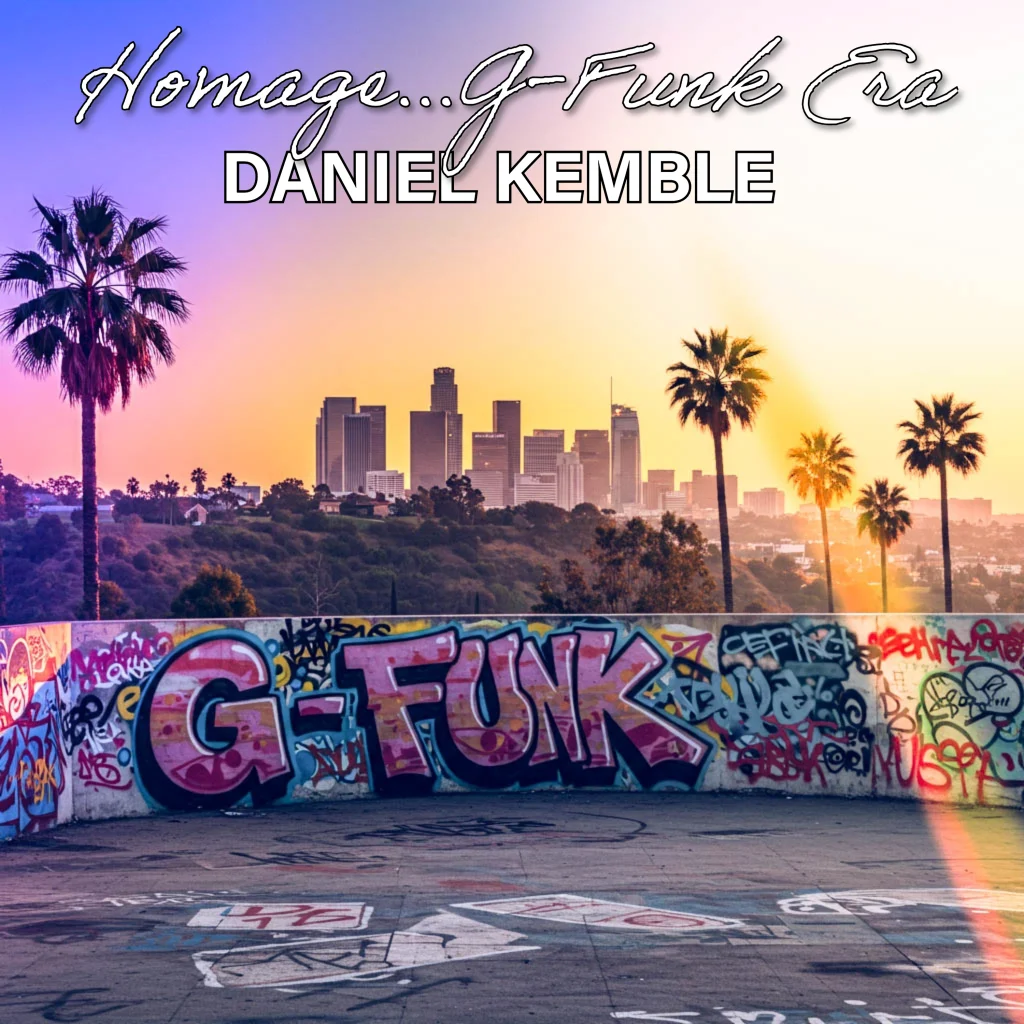
Homage… G‑Funk Era (2022)
Where The G‑Funk Tape studies, this album commits. It exists to fully inhabit an era’s sensibility while maintaining authorial distance.
Production is smoother and more confident. Groove is foregrounded without exaggeration.
The main rejection here is irony. This is not parody or pastiche.
In hindsight, it closes a stylistic chapter.
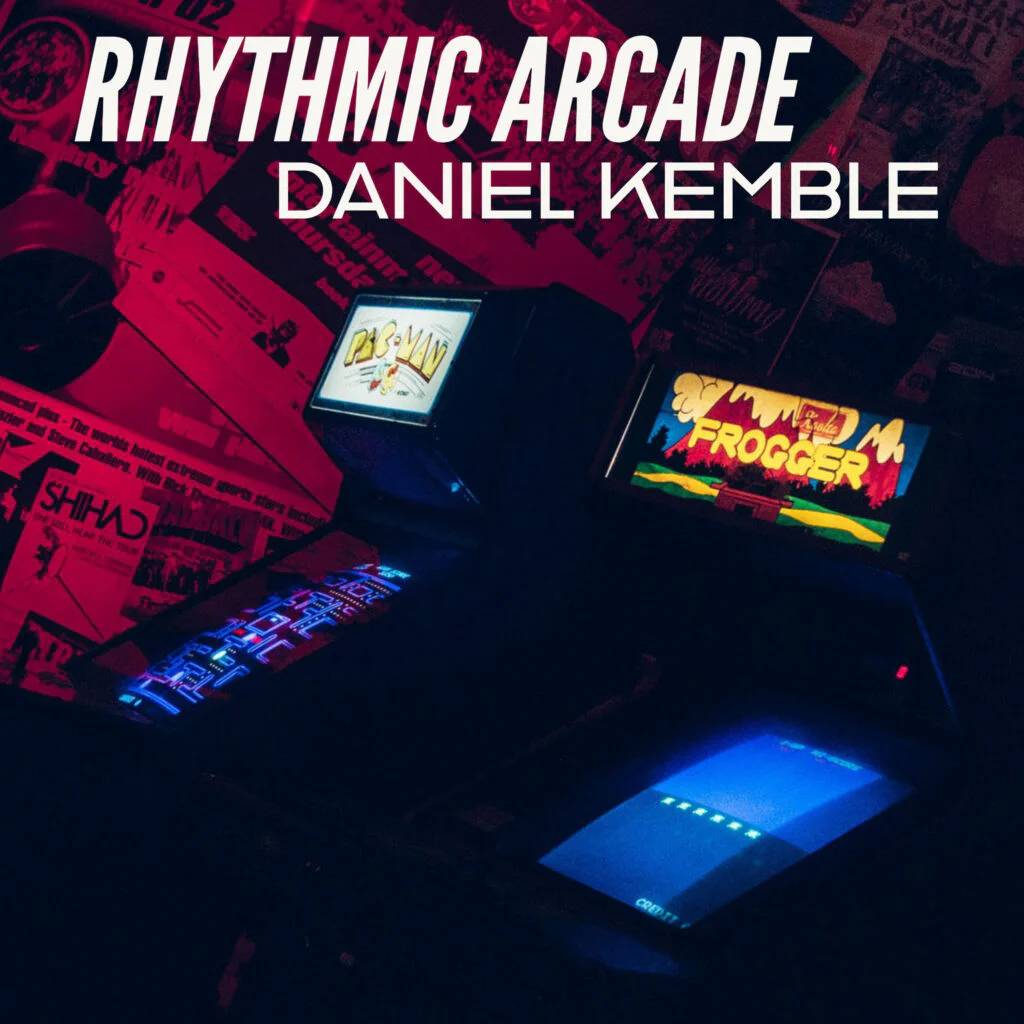
Rhythmic Arcade (2022)
This album pivots away from homage and into system‑based play. It exists to explore rhythm as a system — mechanical, looping, and modular.
Textures are tighter and more synthetic. Beats feel assembled rather than performed. Repetition becomes an aesthetic choice rather than a limitation.
Constraints were explicit: pattern‑driven writing and limited variation.
It is not designed for emotional immersion.
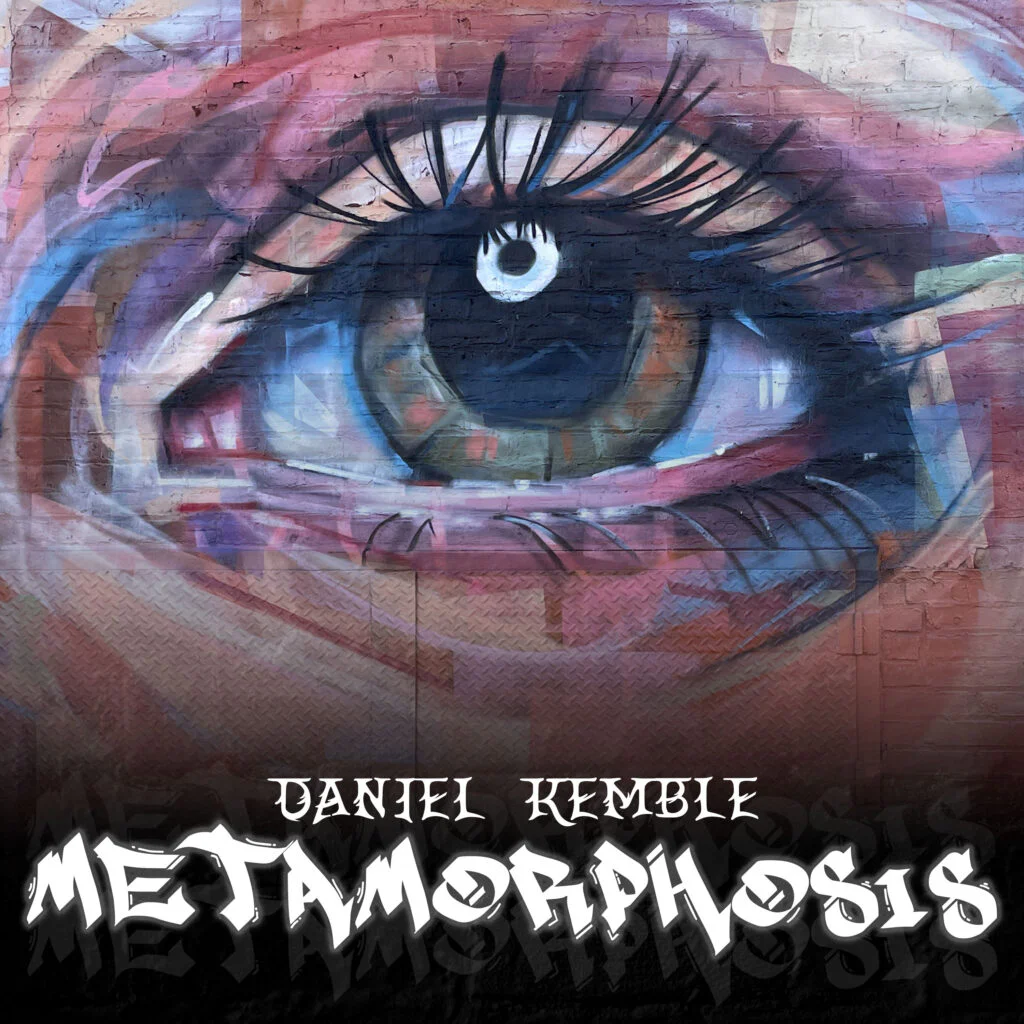
Metamorphosis (2023)
This release functions as a bridge. It absorbs lessons from earlier projects without committing fully to any single direction.
Emotionally, it sits in transition — neither detached nor expressive. Sonically, it blends experimental hip‑hop, electronic textures, and groove‑based ideas.
The process was iterative rather than exploratory.
Despite the title, it is not a reinvention. It documents adjustment.
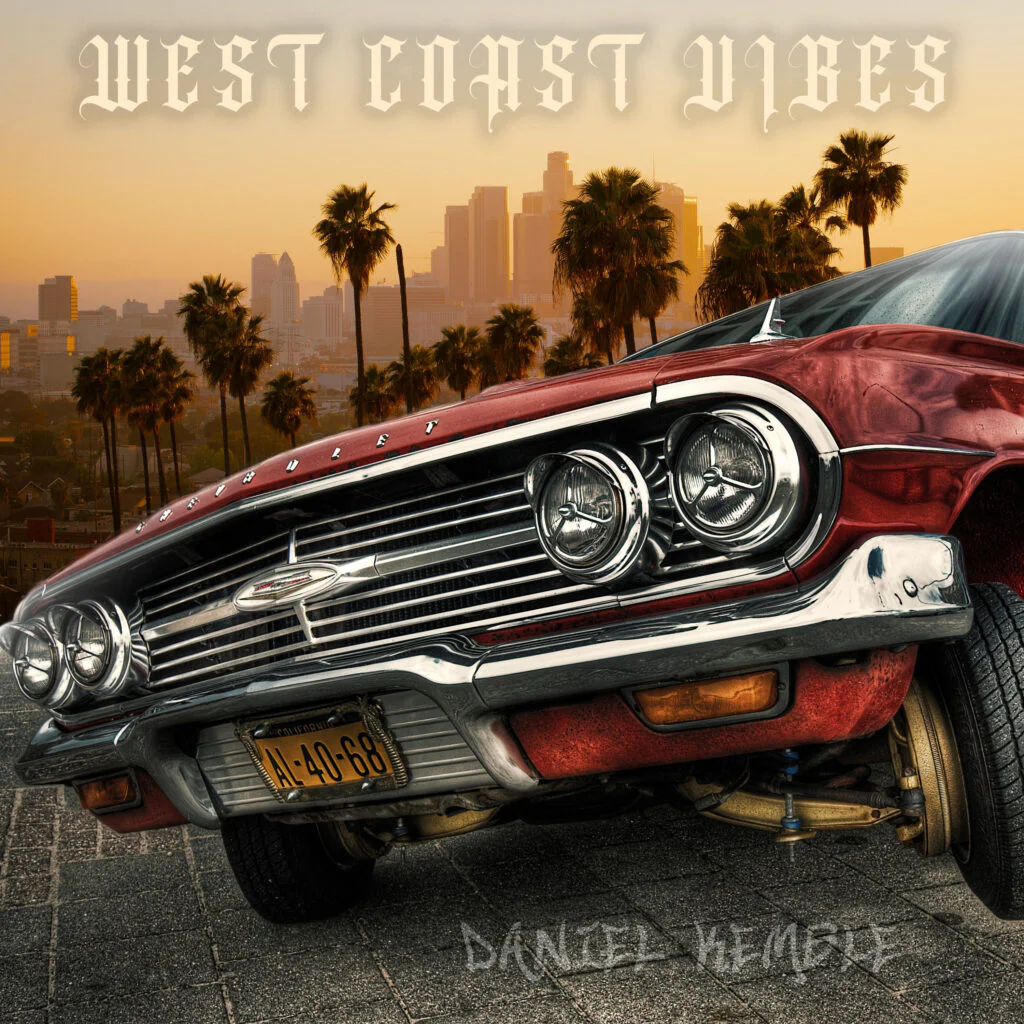
West Coast Vibes (2023)
This album returns to accessibility without regression into pastiche. It exists to simplify without becoming shallow.
The sound is open and relaxed, rooted in West Coast traditions, G‑funk warmth, instrumental hip‑hop, and funk grooves. Jazzy elements re‑emerge without nostalgia as a crutch.
Production choices favour clarity and flow over experimentation.
It is not a conceptual record. Its role is recalibration rather than statement‑making.
Listen to West Coast Vibes.
Hip Hop Beats 2024 (Compilation)
This compilation exists to consolidate material. It gathers instrumental hip‑hop material without reframing it.
There is no narrative arc or conceptual demand. The value lies in accumulation and accessibility.
It is not a new statement. It is a practical artefact.
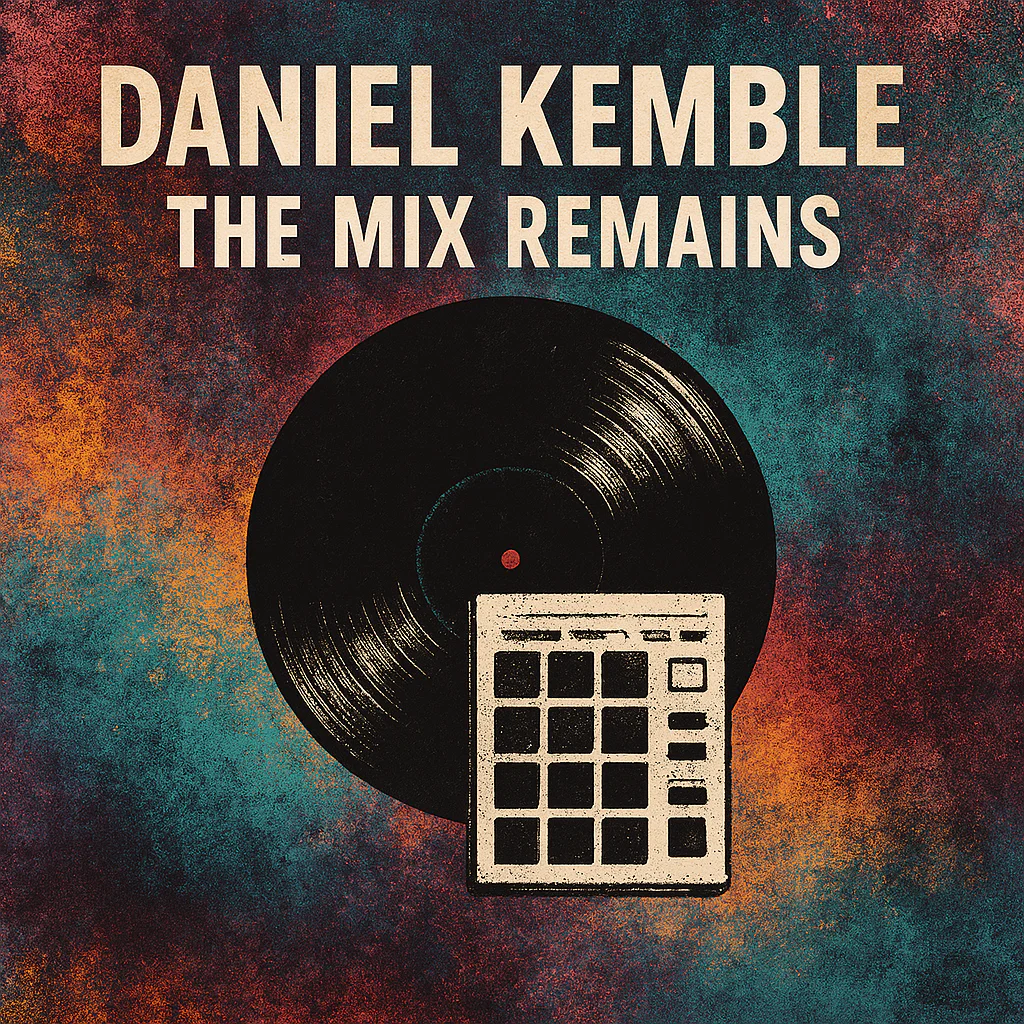
The Mix Remains (2025)
This album functions as a consolidation point. It exists to confirm continuity rather than signal change.
Across experimental hip‑hop, electronic textures, funk grooves, and West Coast influence, the through‑line is control — knowing when to explore and when to stabilise.
It does not resolve the catalogue. It affirms continuity.
Closing Perspective
Taken together, these releases prioritise process over declaration. They reward attention but do not demand it. They resist explanation while remaining legible.
What matters here is accumulation as record rather than evolution as spectacle. The mix remains.

Written by Composer, Music Producer & Founder of Red Resonance Studios.
The Music: AxiumEcho | Brynwald | Daniel Kemble | DanoV8tion | The Ragged Halo.
More Posts
- The Ragged Halo: Instrumental Alternative Rock Debut Albums
- DanoV8tion’s Electronic Music: The Initial Catalogue
- Notes on the Daniel Kemble Hip-Hop Catalogue (2019–2025)
- Red Resonance Studios Is Releasing Multiple Albums In Early 2026
- A New Chapter: Introducing Red Resonance Studios